MEDHRID

WP1 - Croatian History in the Context of the European and Mediterranean Political Entities

Building on the theoretical premise that identity is a multilayered and dynamic category—shaped, among other factors, by long-term historical experience, cultural practices, and everyday interactions—this work package has been developed. The selected historical studies within the package examine processes and experiences that collective communities subsequently internalize as components of their identity narratives. These multilayered factors, anchored within Mediterranean and Central European frameworks, have indirectly shaped the formation of contemporary Croatian national and regional identity, now recognized as a product of this historical heritage.

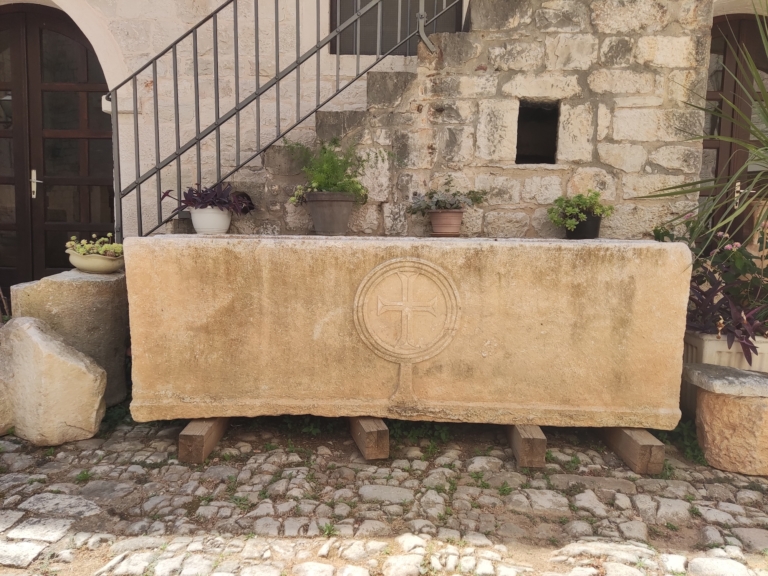
Artistic Influences on the Sarcophagi of the Brač–Salona Group

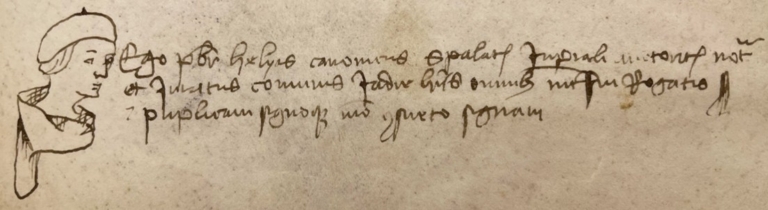
Zvonimir Forker, Senior Assistant, investigates the connection between the Brač–Salona group of sarcophagi and those from Constantinopolitan workshops, with a particular focus on the 6th century. While the Brač–Salona sarcophagi represent a significant expression of local sepulchral art, their relationship with Constantinople has never been systematically studied. This research examines interregional cultural connections between Dalmatia …

Late Medieval Material and Spiritual Culture in the Venetian Stato da Mar

Tonija Andrić, Associate Prof., investigates the influence of Venetian social patterns on the private lives of the population of the Venetian Stato da Mar in the 14th and 15th centuries, focusing on the transfer of customs from Venice into the urban everyday life of the eastern Adriatic. The research examines how Venetian influences shaped the …

Petar Beneša (1586–1642): A Prominent Dubrovnik Figure in Rome

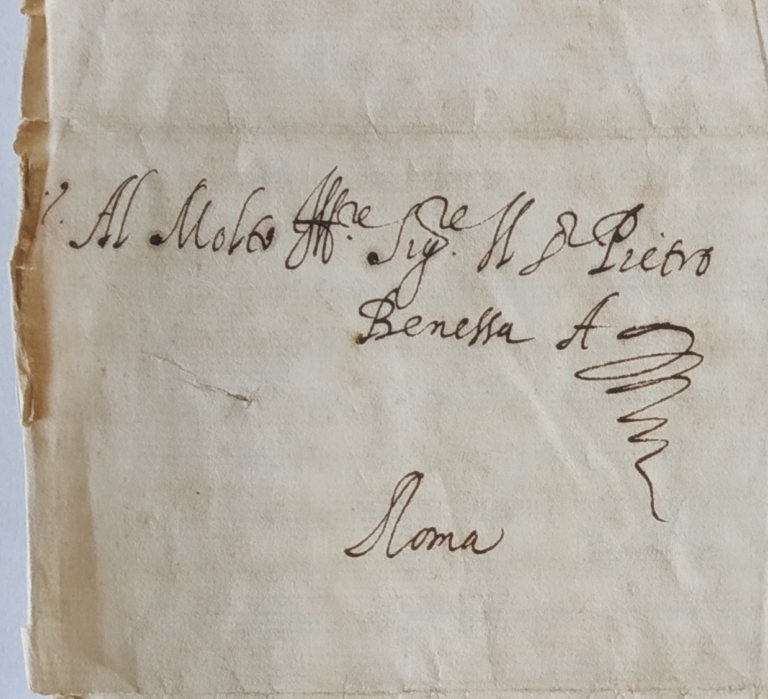
The research conducted by Associate Professor Nikša Varezić focused on Petar Beneša, is justified by the fact that no comprehensive scholarly study has yet been devoted to this prominent citizen of Dubrovnik, who held high and truly significant positions within the Roman Curia during the first half of the seventeenth century. The research adopts a …

Why the Venetian lion outshone the Ottoman dragon: “The Two Dalmatias” in the Early Modern Period

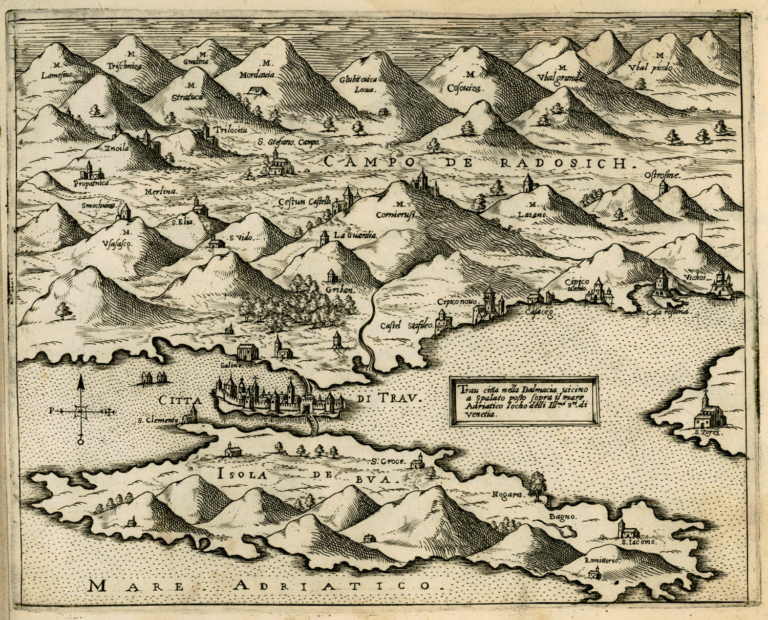
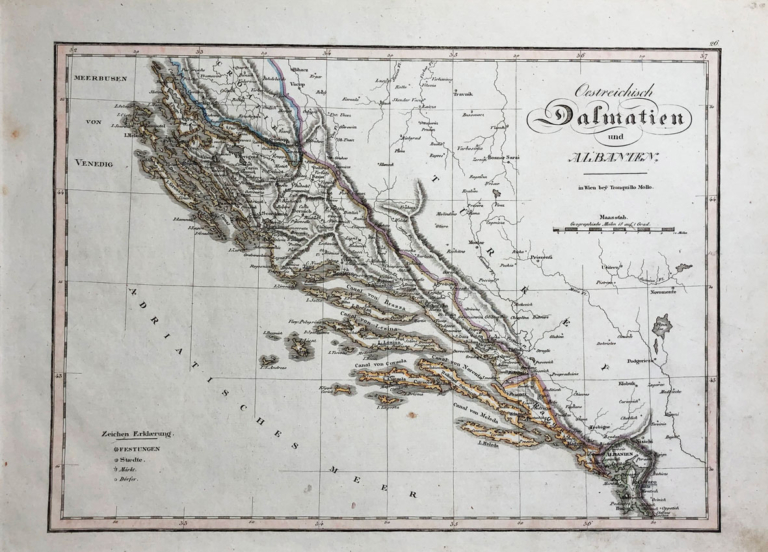
The research conducted by Josip Vrandečić, Full Professor with tenure, focuses on the early modern Dalmatian context of the sixteenth and seventeenth centuries, with particular emphasis on Venetian–Ottoman relations. Existing studies have rarely examined these relations beyond the framework of the general history of Dalmatia, with the exception of a few monographs and studies focused …

Ancient Heritage on the Eastern Adriatic Coast in 18th and 19th Century Travel Narratives

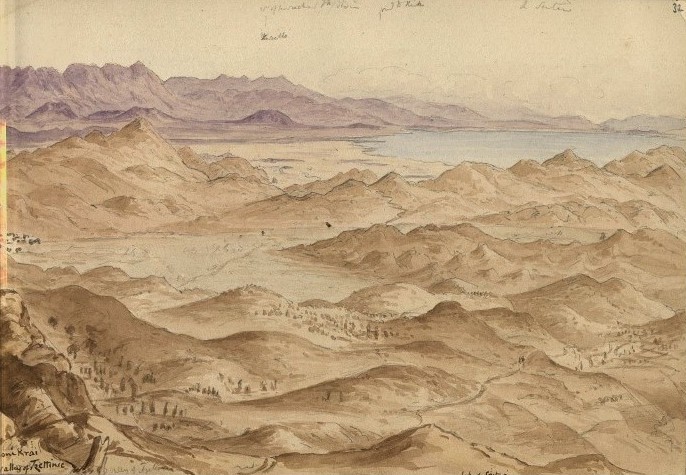
Ana Torlak, Associate Professor, investigates attitudes toward the cultural heritage of antiquity through travelogues and studies by both domestic and foreign authors from the 18th and 19th centuries, including, for example, Marc de Casotti, Sir John Gardner Wilkinson, and Johann Neigebauer. Particular attention is given to the transition in research focus: from examining individual epigraphic …

Church and State in Austrian Dalmatia (1815–1918)

The research of Marko Trogrlić, Full Professor with a tenured position, focuses on the framework of late Josephinism in Dalmatia during the “long” 19th century, from the occupation of Dalmatia in 1815 to the signing of the concordat between the Habsburg Monarchy and the Holy See in 1855. The study’s innovative contribution lies in examining …

Political Activity and Ideological Thought of Milan pl. Šufflay

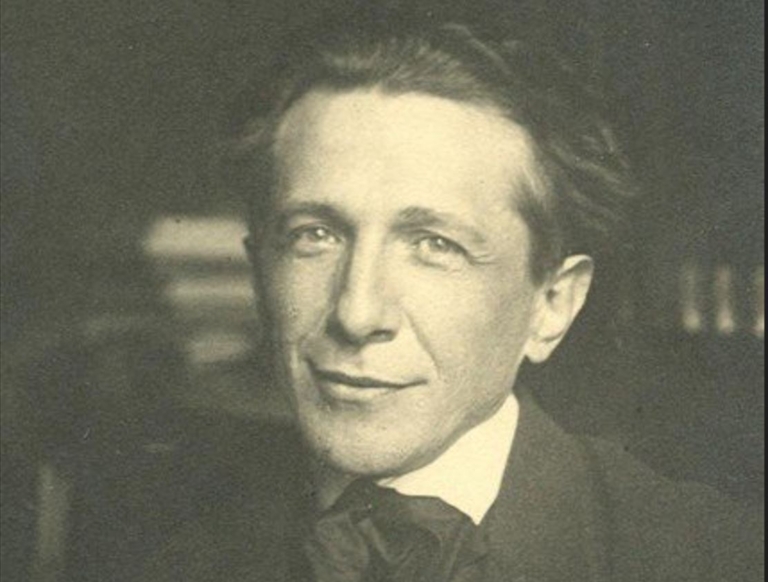
This work package includes research addressing the issue of changing national and political identities in the context of the political transformations at the beginning of the 20th century, when multinational empires collapsed and nation-states emerged. The focus of the research conducted by Frane Bilić, research associate, will be on Milan Šufflay, who, after the creation …

Croatian–French Relations Between the World Wars: Politics and Intellectuals

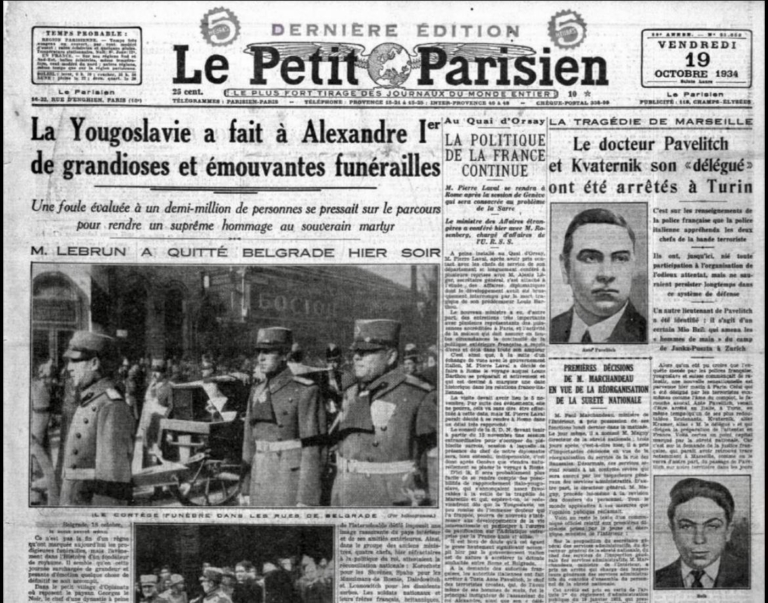
The research of Edi Miloš, Associate Professor, focuses on the period from the Treaty of Versailles to the outbreak of the Second World War, a pivotal chapter in the formation of Croatian identity, rich in first-order “sites of memory,” including the Treaty of Rapallo, the assassination of Stjepan Radić, King Alexander’s dictatorship, and his assassination …